/ HOME / SANITARY PRESSURE GAUGE MANUFACTURER
Sanitary pressure gauge manufacturer

Sanitary Pressure Gauge Manufacturer

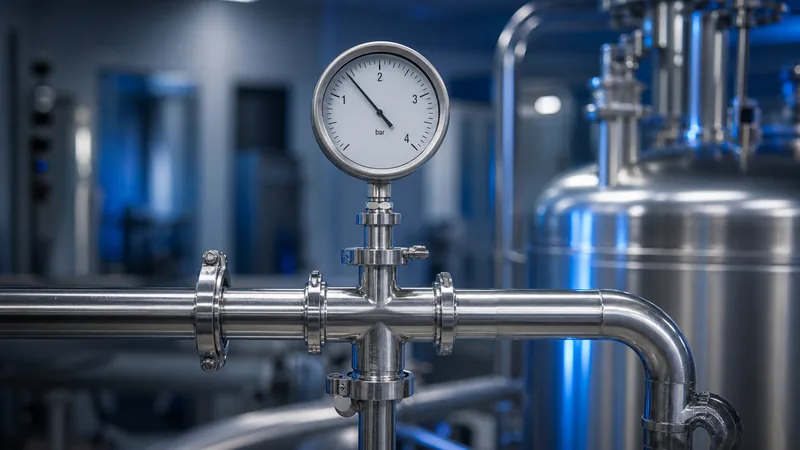
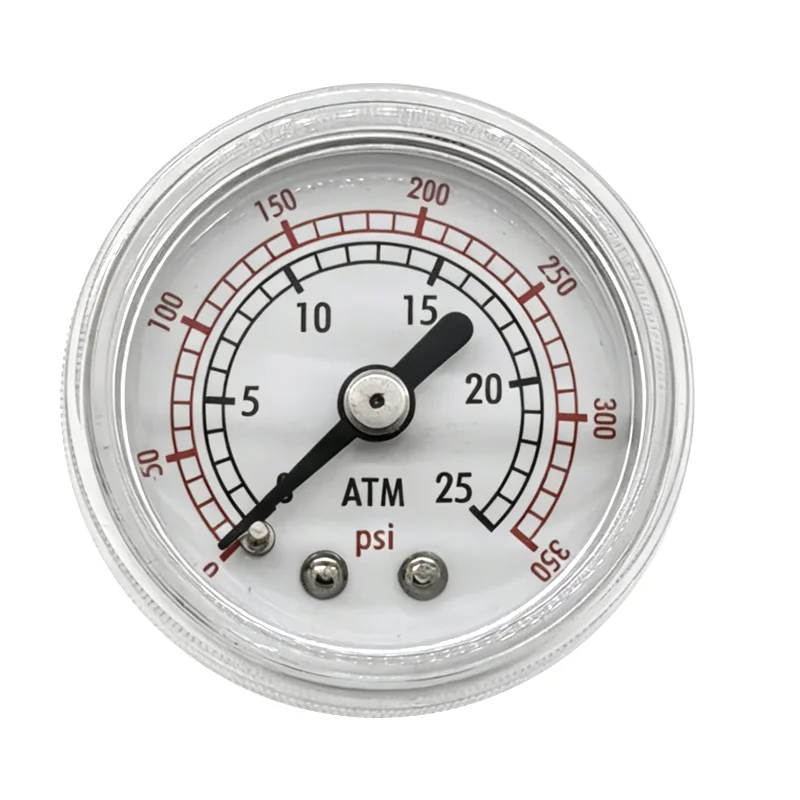
Manogauge supplies sanitary pressure gauges with tri-clamp connections, flush 316L diaphragms and food-grade fill options for food processing, dairy, beverage, biotech and pharmaceutical utility lines. Wetted parts surface finish Ra ≤ 0.8 µm.

Or email us: sales@manogauge.com

Sanitary Pressure Gauge Manufacturer
01316L wetted parts · Ra ≤ 0.8 µm surface finish
02Tri-clamp and hygienic connection options
032–4 week standard lead time · Samples on request
ISO 9001 ManagedKS / EN837-1 by Model23 Countries Served24h RFQ ResponseSamples Available
Priority indexed landing pages

These pages cover custom OEM, China factory, explosion-proof and sanitary pressure gauge buying-intent queries, giving Googlebot a stronger internal path to rediscover and recrawl them.

Custom & OEM Pressure Gauge ManufacturerPressure Gauge Manufacturer in ChinaExplosion Proof Pressure Gauge Manufacturer
01

Sanitary design requirements

Sanitary pressure gauges require smooth, crevice-free wetted surfaces cleanable in place without dismantling. Key parameters are diaphragm material (316L), surface roughness (Ra ≤ 0.8 µm for most applications), connection type (tri-clamp or hygienic flange) and fill fluid compatibility with CIP/SIP temperature.

02

Typical applications

Food and beverage production lines, dairy processing, brewing and fermentation vessels, biotech and pharmaceutical utility systems, clean steam monitoring and filling equipment where hygiene and cleanability are mandatory.

03

RFQ guidance

Specify the connection size and standard (tri-clamp DN, DIN 11851 or other), medium, CIP/SIP temperature, required surface finish and any third-party sanitary documentation required by the buyer.

04

Sanitary documentation boundary

Buyers in the dairy, food and biotech sectors may require documentation aligned with a specific sanitary standard or customer audit checklist. Manogauge can provide material certificates for 316L diaphragms, surface finish measurement reports and dimensional drawings. Specify the required standard and documentation level in your RFQ so that the engineering team confirms scope before order placement.

05

CIP and SIP compatibility considerations

CIP (Clean-in-Place) cycles typically use caustic solutions at 60–85 °C followed by acid rinse and hot water flush. SIP (Steam-in-Place) cycles can reach 121–134 °C under pressure. Sanitary gauges must withstand these conditions without trapping fluid in dead legs or crevices, and the fill fluid must remain stable through repeated thermal cycles. Manogauge specifies fill fluid type (food-grade silicone or glycerin) and diaphragm seal design to match the cleaning protocol — include your CIP and SIP parameters in the RFQ for a compatible configuration.

06

Sanitary pressure gauge risk boundary

A sanitary pressure gauge page should not imply universal food or pharmaceutical approval. The buyer still needs to confirm the process connection standard, 316L material certificate, surface finish report, fill fluid, gasket material, cleaning chemicals, SIP temperature and any third-party sanitary documentation scope before the instrument is released for GMP or food-contact service.

SPEC

Sanitary pressure gauge specification reference

Final configuration still depends on medium, temperature, pressure, connection and documentation requirements.

ItemCommon optionsSelection note
ConnectionTri-clamp, DIN 11851 or hygienic process connectionConfirm nominal size, ferrule standard and gasket material before production.
Wetted surface316L flush diaphragm, Ra ≤ 0.8 µm by standard sanitary modelSurface finish reports should be requested when required by a food or GMP audit.
Fill fluidFood-grade silicone or glycerin by RFQFill fluid must tolerate repeated CIP/SIP thermal cycles and remain compatible with site rules.
Cleaning conditionsCIP chemicals, SIP steam temperature and cycle timeState caustic, acid, hot water and steam conditions instead of assuming generic cleanability.
DocumentsMaterial certificate, surface finish report, calibration record and drawingThird-party sanitary documentation must be specified before quotation.
APPLICATION

Dairy pasteurization line example

On a dairy pasteurization line, a sanitary pressure gauge should avoid dead legs, use the correct tri-clamp size and withstand repeated caustic wash, acid rinse and hot-water cycles. The RFQ should include product contact status, maximum SIP temperature, cleaning chemicals, gasket material and whether an audit file is required.

  • Use a flush diaphragm when product residue or dead-leg cleaning risk is unacceptable.
  • Confirm 316L material and Ra report requirements before quotation.
  • Specify whether the gauge is installed before or after the heat exchanger for range selection.
RFQ

Sanitary gauge RFQ checklist

Medium and process temperatureCIP/SIP cleaning temperatureConnection type (tri-clamp size / DIN 11851 / other)Required surface finish (Ra value)Pressure range and dial sizeThird-party sanitary documentation required
Next step

Turn this page into a quote-ready specification

Use the RFQ form when you have range, connection, quantity or drawings. Use WhatsApp when you only need a quick compatibility check before preparing the full purchase file.

Company + work emailPressure range and unitMedium and temperatureThread / connectionQuantity or sample need
FAQ

Buyer FAQ

Request Quote

What connection types are available for sanitary gauges?

Manogauge supplies sanitary gauges with tri-clamp (ISO 2852 compatible), DIN 11851 hygienic coupling and other hygienic process connections. Specify the nominal size and standard when submitting RFQ.

What surface finish can Manogauge provide?

Wetted surfaces are available at Ra ≤ 0.8 µm as standard for sanitary models. Other finishes can be reviewed when the buyer specifies a documented sanitary requirement.

Are sanitary pressure gauges CIP/SIP compatible?

Sanitary gauges from Manogauge are designed with flush diaphragm surfaces and food-grade fill fluids to withstand standard CIP cleaning cycles. CIP/SIP temperature and chemical compatibility should be confirmed for your specific process conditions during RFQ.

What information is needed for a sanitary pressure gauge audit file?

State the connection standard, 316L material certificate requirement, Ra value, fill fluid, gasket material, cleaning chemicals, SIP temperature and any third-party documentation requested by the buyer.

What documentation is available for sanitary gauge orders?

Standard documentation includes calibration certificates, dimensional inspection reports and material certificates. Third-party sanitary documentation requirements must be specified at RFQ stage and confirmed before order placement.

What is the MOQ for sanitary pressure gauges?

MOQ is typically 10–50 units for standard sanitary configurations. Custom tri-clamp sizes or special compliance documentation requirements may affect minimums. Send your specification for confirmation.

Can I get a sample before placing an order?

Yes. Sample sanitary gauges are available for evaluation and approval. Submit your specification via the RFQ form and note your sample requirement.

Free technical guides

Download pressure gauge selection and OEM guides

Route buyer traffic into downloadable PDF guides for selection, thread standards, materials, installation, troubleshooting and OEM customization.