How to Select a Pressure Gauge
Range, accuracy, dial size, connection, material and filling checks for practical pressure gauge selection.
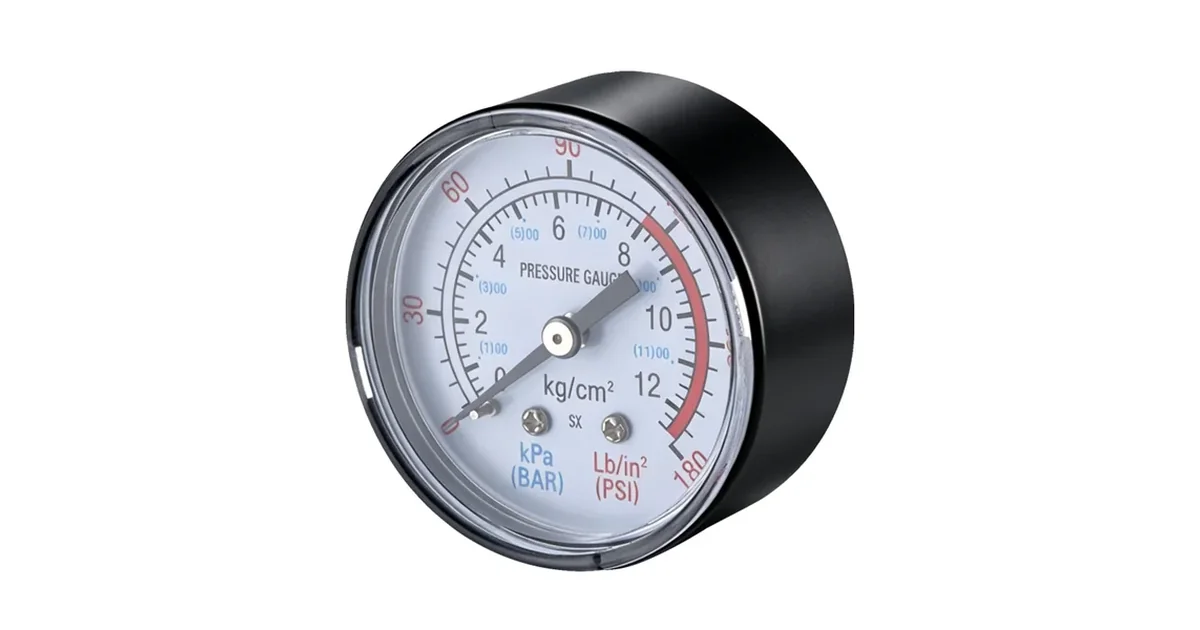
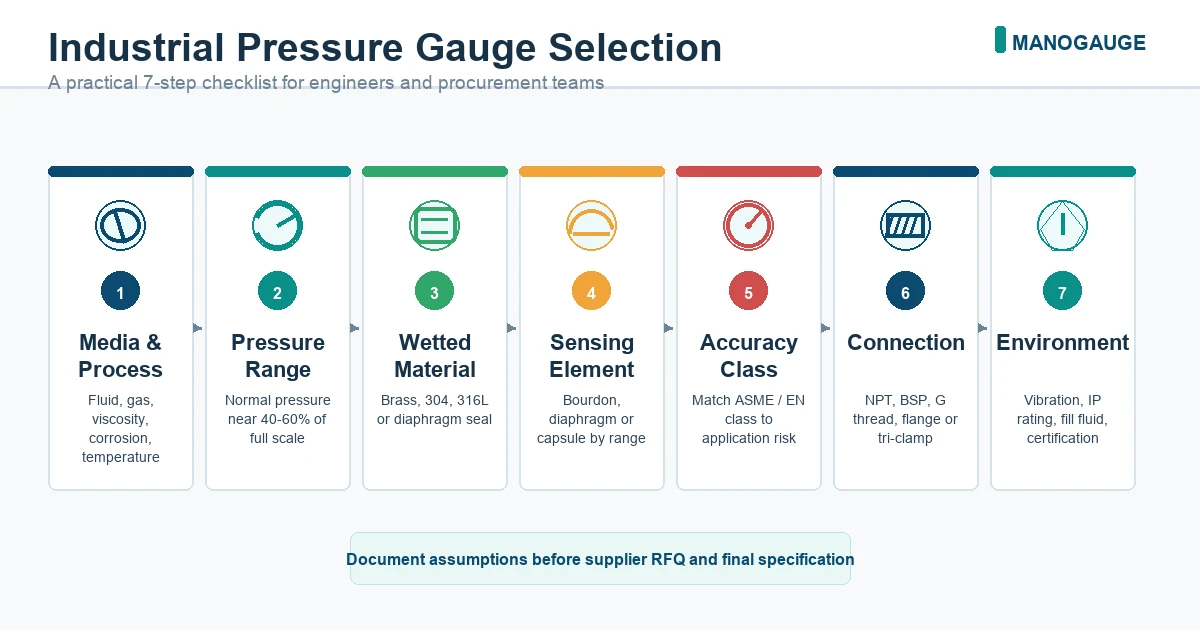
Updated for 2026 indexing refresh: this industrial pressure gauge selection guide now connects the core 7-step RFQ framework with custom OEM, China factory, explosion-proof and sanitary gauge buying paths. In industrial production, pressure gauges are among the most widely used process instruments, found on nearly every pipeline and piece of equipment. However, selecting the correct model for specific operating conditions from hundreds of options remains a significant challenge for many engineers and procurement personnel. The cost of selection errors extends far beyond the instrument's price – incorrect wetted parts can lead to rapid corrosion and media leaks, an unsuitable range can damage the measuring mechanism, and neglecting vibration factors can render a gauge completely inoperable within weeks. This article provides a systematic 7-step selection framework, covering all critical dimensions of pressure gauge selection, from operating pressure range and process media characteristics to installation environment and essential safety accessories. It aims to help engineers find the optimal solution in minutes and effectively avoid common selection pitfalls.
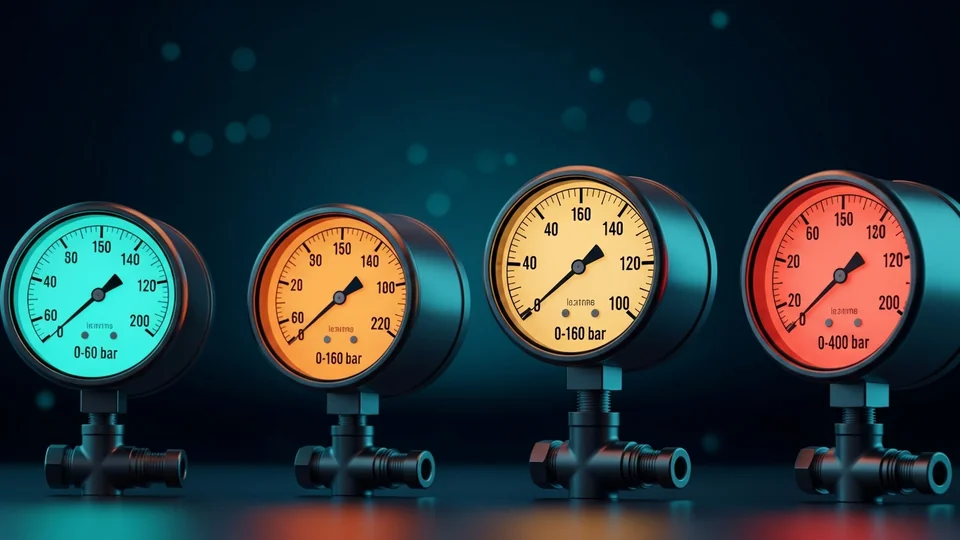
Selecting the gauge span is the first and most critical step in pressure gauge selection. The core principle is the 75% Rule: Under normal operating conditions, the working pressure should fall within 25% to 75% of the instrument's full scale. This principle is explicitly stipulated in both major standards: EN 837-1 and ASME B40.100.
Why 75%? When elastic measuring elements (Bourdon tubes) are subjected to pressures exceeding 75% of the span for extended periods, they can experience fatigue creep, leading to zero shift and reduced accuracy. Conversely, operating below 25% of the span means readings are in the lowest section of the dial, resulting in poor resolution and an amplified relative error.
| Operating Condition | Recommended Operating Pressure Range |
|---|---|
| Stable Static Pressure (Ideal Conditions) | 25% to 75% of Full Scale |
| Slight Pulsation Present | 25% to 65% of Full Scale |
| Frequent Pulsation (Pump, Compressor Outlet) | 25% to 50% of Full Scale |
| Risk of Overpressure | Select span so peak pressure does not exceed full scale |
Common Standard Spans (EN 837-1): 0.6 / 1 / 1.6 / 2.5 / 4 / 6 / 10 / 16 / 25 / 40 / 60 / 100 / 160 / 250 / 400 / 600 bar. When selecting, round up to the nearest standard span. The optimal choice is to ensure the normal operating pressure falls approximately within 40% to 60% of the selected span.
For standards context, compare the range rule with ASME B40.100 pressure gauges and gauge attachments and EN 837-1 Bourdon tube pressure gauges.
Browse Our Pressure Gauge Catalog →Explore 143+ industrial gauge models→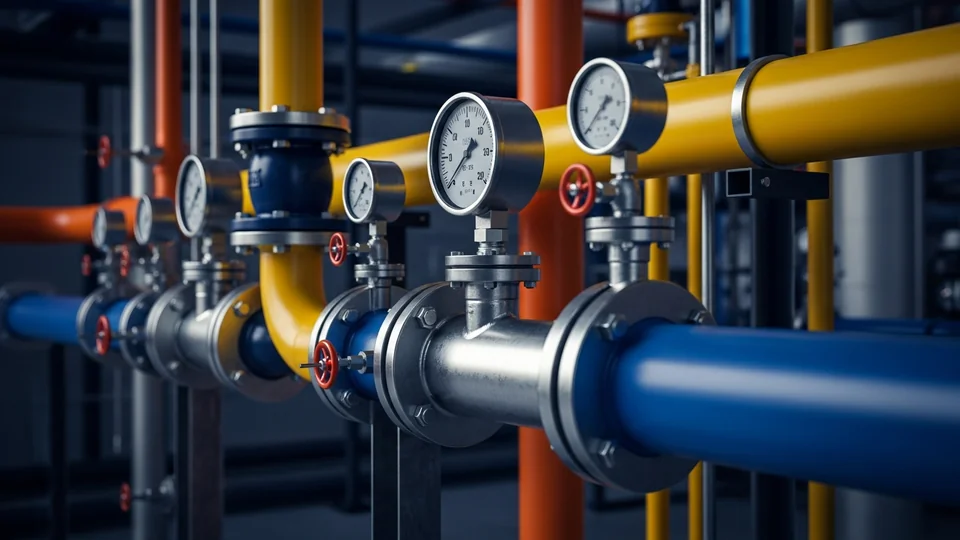
The "wetted parts" of a pressure gauge refer to the components that come into direct contact with the process media. These primarily include the Bourdon tube, process connection, and (if applicable) the diaphragm. Incorrect material selection can lead to minor issues like reading drift, or severe consequences such as media leakage and safety incidents.
Brass (CuZn): The most cost-effective option, suitable for water, air, inert gases, petroleum-based hydraulic oils, and mild chemicals. Prohibited for use with ammonia (NH₃), acetylene (C₂H₂), or any media where copper ions can trigger catalytic reactions.
316L Stainless Steel (SS316L): Offers significantly better corrosion resistance than brass, making it suitable for dilute acids, dilute alkalis, saltwater, food and beverage applications, and water treatment. Its Pitting Resistance Equivalent Number (PREN≈25) allows it to resist moderately concentrated chloride environments. For high-chloride environments, an upgrade to duplex stainless steel or Hastelloy C-276 is required.
Special Media Considerations:
When dealing with highly corrosive media and material suitability is uncertain, consult NACE corrosion data sheets or contact the instrument manufacturer for compatibility confirmation.
For deeper material decisions, see our 316L stainless steel vs. brass wetted parts guide.
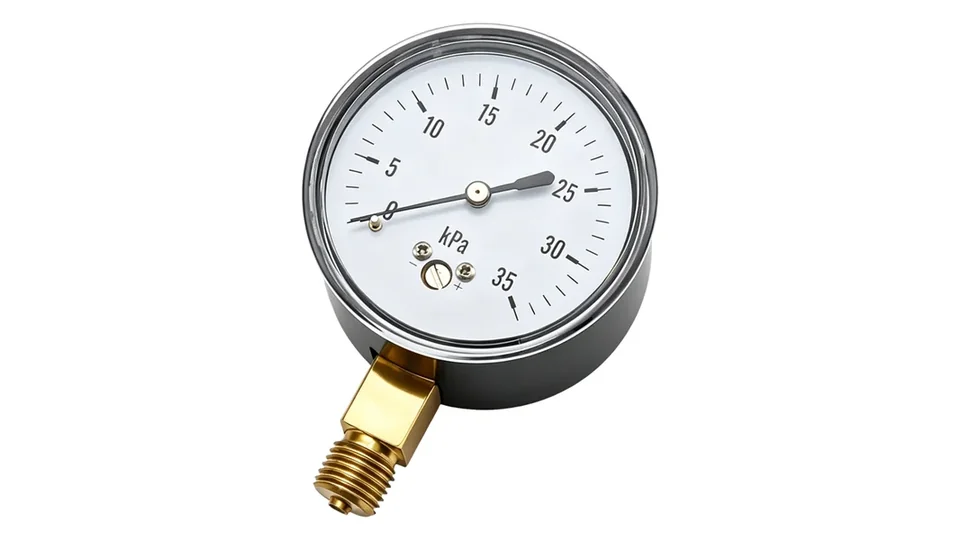
The measuring element is the core of a pressure gauge, with different types suited for various pressure ranges and media characteristics.
Bourdon Tubes are the most common measuring elements in industrial applications, covering a wide range from 0.6 bar to 6000 bar. They are robust and cost-effective. Standard C-type Bourdon tubes are suitable for most applications; helical Bourdon tubes are used for ultra-high pressures (>400 bar); and spiral types are used for high-precision measurements.
Diaphragm Elements are suitable for low to medium pressure ranges from 0 to 40 bar. They are particularly well-suited for viscous media, slurries containing solid particles, or corrosive media, as the absence of narrow channels between the diaphragm and the process medium prevents clogging. Diaphragm materials include 316L SS, Hastelloy, Tantalum, etc.
Capsule Elements are specifically designed for very low pressure and differential pressure measurements (0 to 600 mbar). They are ideal for applications such as furnace pressure, ventilation duct static pressure, and gas filter differential pressure, offering superior accuracy compared to Bourdon tubes in the same range.
| Element Type | Applicable Range | Typical Applications |
|---|---|---|
| Bourdon Tube (C-type) | 0.6 to 600 bar | General industrial pressure measurement |
| Bourdon Tube (Helical) | 400 to 6000 bar | High-pressure hydraulics, ultra-high pressure processes |
| Diaphragm Element | 0 to 40 bar | Corrosive, viscous, slurry media |
| Capsule Element | 0 to 600 mbar | Very low pressure, differential pressure, gas filters |
If the application sits near the boundary between sensing technologies, review Bourdon tube vs. diaphragm sensing elements.
Request a Free QuoteOur engineers respond within 24 hours→
Accuracy Class determines the reliability of measurement results and should be selected based on process control requirements, rather than the principle of 'the more precise, the better'.
Accuracy classes defined by EN 837-1 (expressed as a percentage of full scale): 4.0 → 2.5 → 1.6 → 1.0 → 0.6 → 0.25 (lower values indicate higher accuracy).
Dial Size affects reading resolution and on-site readability:
Tip: A larger dial allows for finer scale divisions, reducing on-site reading errors and often providing better practical readability than the instrument's nominal accuracy class.
Accuracy decisions should also reference our pressure gauge accuracy class guide.
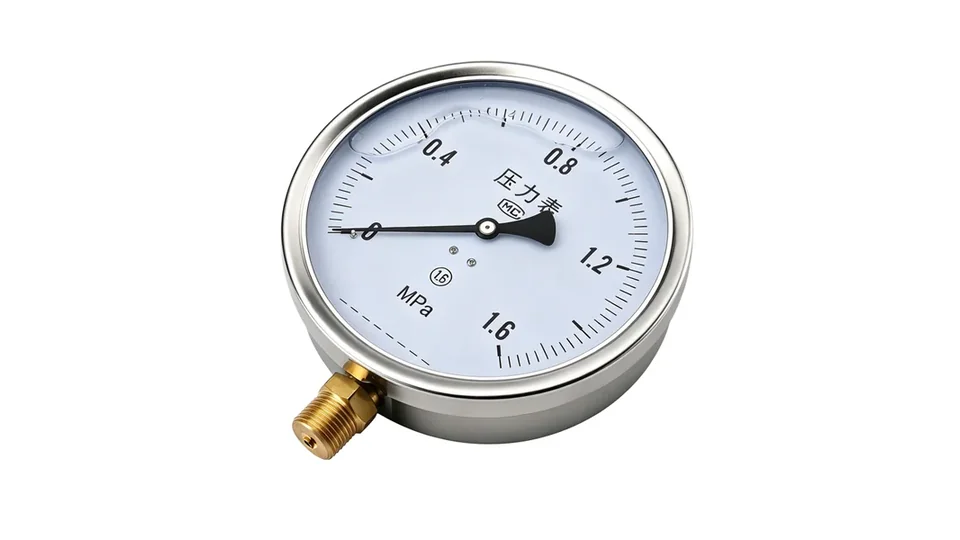
Mounting orientation is divided into radial (Lower Mount / L-type) and axial (Back Mount / U-type). Lower mount is suitable for direct pipe connection, while back mount is ideal for panel or wall mounting. Bourdon tube pressure gauges should ideally be installed with the connection facing downwards to prevent liquid accumulation in the measuring chamber from affecting readings.
Connection thread specifications are one of the most common sources of error for engineers globally when selecting instruments:
| Thread Type | Sealing Method | Primary Application Regions |
|---|---|---|
| NPT (National Pipe Taper) | Thread profile self-seal + PTFE tape | North America, parts of Asia |
| BSPT / Rc (British Standard Pipe Taper) | Thread profile self-seal + PTFE tape | Europe, China, Southeast Asia |
| G / BSPP (British Standard Pipe Parallel) | Combination seal washer (O-ring + metal backing) | European hydraulic systems |
| Metric M20×1.5 | Metal face seal or O-ring | Germany / European industrial |
Common Error: NPT and BSPT threads are visually very similar, but their taper angles and pitches differ slightly (NPT 1:16, BSPT 1:16 but thread angle 55° vs 60°). Forcibly interchanging them will lead to poor sealing or thread damage. Always confirm the existing piping system's thread standard before ordering.
For thread and sealing details, use the NPT, BSP and metric thread connection guide.
The operating environment is crucial for the long-term reliability of the instrument. The following four dimensions must be evaluated:
1. Mechanical Vibration and Pressure Pulsation Continuous vibration and pressure pulsations in pump outlets, compressor pipelines, and piping near vibrating equipment can cause the pointer of dry pressure gauges to oscillate violently, eventually leading to movement damage. Solution: Select liquid-filled pressure gauges (glycerin filling suitable for -20°C to +60°C; silicone oil filling suitable for -40°C to +70°C), or install a snubber at the connection.
2. Ambient Temperature Standard pressure gauges typically operate within an ambient temperature range of -20°C to +65°C. For outdoor low-temperature environments, silicone oil-filled gauges or instruments with heating devices should be selected. For high-temperature process media (>60°C), a siphon (coil siphon or pigtail siphon) must be installed to prevent hot steam from directly entering the Bourdon tube.
3. Ingress Protection (IP Rating)
4. Hazardous (Explosive) Areas In areas with flammable gases or dusts, ATEX / IECEx certified explosion-proof instruments must be selected. The appropriate explosion protection category (e.g., ia/ib/d) should be chosen according to the hazardous area classification (Zone 0/1/2 or Zone 20/21/22).
Even a correctly selected pressure gauge may require accessories to operate safely and reliably under specific conditions. A snubber or pulsation dampener is installed upstream of the gauge to reduce rapid pressure spikes from compressors, pumps or valves. A diaphragm seal isolates the gauge from viscous, crystallizing, corrosive or sanitary media. A siphon protects the measuring element from live steam temperature by maintaining a condensate barrier.
Other protection devices include root valves for isolation, overpressure protectors for temporary pressure excursions and gauge cocks or test points for maintenance. These accessories should be selected with the same care as the gauge body because they change response time, installation height, cleaning method and field service access.
Compile the selected requirements into an instrument data sheet before purchasing. At minimum, confirm the operating pressure range, process medium, wetted material, measuring element, accuracy class, dial size, mounting type, process connection, ambient temperature, vibration, ingress protection and required safety accessories.
Once specifications are confirmed, a factory acceptance test is the last checkpoint before goods leave the manufacturer. The pressure gauge factory acceptance test checklist covers calibration verification, leak checks, wetted-material certificates and packaging requirements against the agreed RFQ.
A pressure gauge selection is not complete until the engineering decision is converted into a verifiable RFQ package. The buyer should state the service name, medium, normal pressure, maximum pressure, temperature at the gauge socket, ambient exposure, pressure cycle, vibration level, required dial diameter, connection thread, mounting direction, wetted material, case material, fill liquid, accessory requirements and documentation level. This turns the industrial pressure gauge selection guide into a checklist that a factory, distributor or maintenance team can actually verify before shipment.
For corrosive service, include the chemical name, concentration, temperature and cleaning fluid instead of writing only “water” or “chemical”. For steam, include the siphon or cooling element requirement and whether the gauge socket can remain full of condensate. For oxygen, hydrogen, ammonia, refrigerant and hazardous-area service, confirm cleaning, material, leakage and local safety requirements before model approval. If the service uses NPT, BSP, G or metric threads, write the exact standard and size; near-matching threads are a common cause of field leakage and rework.
The RFQ should also separate mandatory requirements from preferred options. Accuracy class, safety case design, diaphragm seal, snubber, overpressure protector, calibration certificate and material certificate all affect cost and lead time. If the final installation is inside a panel, on a pump skid, near a walkway or outdoors, request a drawing or orientation photo so the dial remains readable and the blow-out path is not blocked.
Manogauge can review these parameters as a Zhejiang, China pressure instrument manufacturer working under ISO 9001 quality management, but the final engineering approval must follow the real process medium, pressure cycle, temperature, connection standard and site safety rule. For related purchasing paths, compare the pressure gauge manufacturer China, custom pressure gauge manufacturer and sanitary pressure gauge manufacturer pages.
Save the related Manogauge guides for procurement and maintenance checks.
Range, accuracy, dial size, connection, material and filling checks for practical pressure gauge selection.
Quick reference for dial sizes, standard ranges, accuracy classes, filling and IP considerations.
The 7-step selection framework: (1) Pressure range — select 1.25–1.5× maximum working pressure as full scale; (2) Accuracy class — 1.6 for monitoring, 0.6 for control loops; (3) Process medium — determine wetted material requirements (brass for dry air, 316L SS for corrosive/food, Hastelloy for aggressive chemicals); (4) Fill type — dry for stable environments, liquid-fill for vibration/pulsation; (5) Dial size — 63mm for space-constrained, 100mm standard, 160mm for remote reading; (6) Connection — specify size AND type (NPT, BSPP, BSPT, metric); (7) Environment — IP rating, ATEX zone, temperature range.
Specify 316L stainless steel wetted parts for: salt water and marine environments, food and beverage processes, mild chemical service (pH 4–10 with no chloride), steam and condensate systems, hydraulic oil (if chemical compatibility is confirmed), and CO₂/refrigerant systems. Brass wetted parts are acceptable ONLY for compressed air, inert gases, and clean water below 60°C — never for corrosive chemicals, seawater, or food contact applications.
Wetted parts are all gauge components that contact the process medium: the Bourdon tube, the socket (connection body), the socket threads, and any O-rings or seals in the process connection. The case, movement, and dial are not wetted parts and do not require process compatibility. When specifying material for corrosive service, you only need to upgrade the wetted parts, not the entire gauge.
Outdoor installations require: IP65 minimum case protection (EN 60529) for dust and rain; UV-stable case material (ABS or stainless steel — avoid polycarbonate in direct sunlight); operating temperature range covering site minimum (arctic: −40 °C, temperate: −20 °C) and maximum; liquid fill to prevent condensation in the case; and anti-corrosion coating or all-stainless construction in coastal or industrial atmospheres.
Standard industrial: CE marking (EU, PED compliance); ISO 9001 (manufacturing quality). Application-specific: ATEX/IECEx (explosive atmospheres); 3-A or EHEDG (food/dairy); FDA 21 CFR (pharmaceutical); KS (Korea); CRN (Canada); INMETRO (Brazil). For safety instrumented systems, verify the gauge can meet the proof-test interval and PFD requirements of the target SIL level. Request the Declaration of Conformity and test certificates for each required standard.
Gauge pressure (G or PSIG): measures pressure relative to atmospheric pressure — the most common type for industrial processes. Absolute pressure (A or PSIA): measures pressure relative to perfect vacuum — required for gas density calculations, boiling point determination, and vacuum system monitoring. Differential pressure (DP): measures the difference between two pressures — used for flow measurement (orifice plates), filter ΔP monitoring, and level measurement by pressure difference. Specify the measurement type explicitly, as gauges are not interchangeable between types.