Liquid-Filled vs Dry Pressure Gauges
Comparison of filled and dry gauges for vibration, pulsation, reading stability and maintenance.

Specifying the correct mechanical pressure gauge requires precisely matching the internal sensing element to the process media and pressure profile. While the external housing dictates environmental protection, the internal elastic element—Bourdon tube, diaphragm, or capsule—determines the instrument's measurement range, overpressure tolerance, and compatibility with viscous or corrosive fluids. Selecting the wrong element type leads to premature fatigue failure, measurement drift, or catastrophic rupture. This technical reference details the operating principles, material limitations, and standard compliance criteria for the three primary mechanical pressure sensing technologies used in industrial applications.
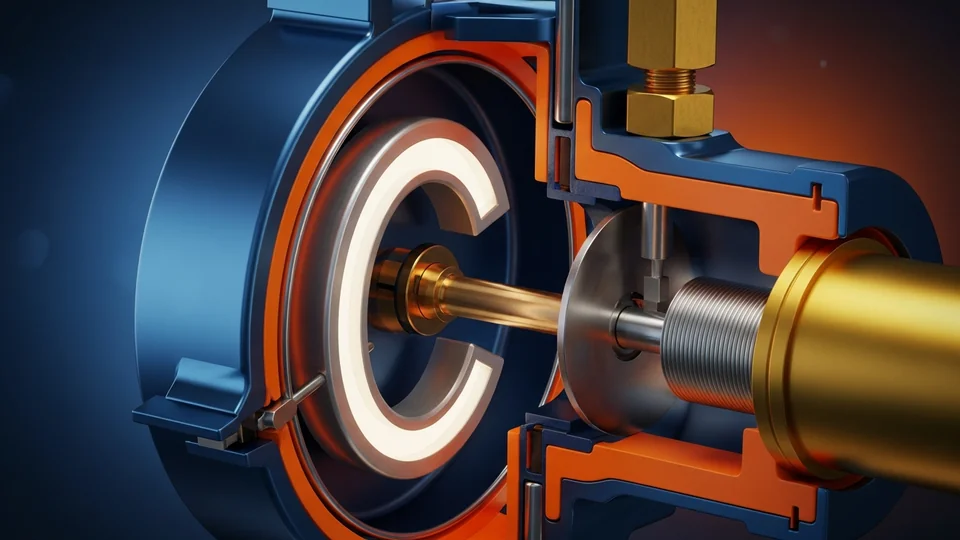
Bourdon tube, diaphragm and capsule pressure gauges use different elastic sensing elements. The sensing element determines the practical pressure range, media tolerance, overload behavior, response to clogging and the type of process connection that can be used.
Choosing only by dial range can lead to poor results. Clean compressed air, hydraulic oil, steam, slurry, corrosive chemicals, sanitary product lines and very low gas pressure may all require different element designs even when the desired dial size looks similar.
The selection should start with medium, normal pressure, maximum pressure, temperature, pulsation, corrosion risk, cleanliness, required accuracy and how the gauge will be installed and maintained.
Browse Our Pressure Gauge Catalog →Explore 143+ industrial gauge models→Use the sensing element as the first engineering filter before choosing dial size, accuracy class or case material.
| Sensing element | Best fit | Typical limitation | RFQ check |
|---|---|---|---|
| Bourdon tube | General liquid and gas pressure, medium to high ranges | Not ideal for very low pressure or dirty crystallizing media without protection | Range, wetted alloy, accuracy class, vibration and overpressure risk |
| Diaphragm | Low pressure, viscous media, corrosive or clogging service | Usually lower pressure capability than Bourdon designs | Diaphragm material, seal fill, flange or threaded connection, cleaning method |
| Capsule | Very low dry gas pressure and air handling checks | Unsuitable for liquids, high pressure or dirty service | Gas type, low range, mounting position and overload protection |
Related reading: differential pressure gauge selection and pressure gauge accuracy class selection.
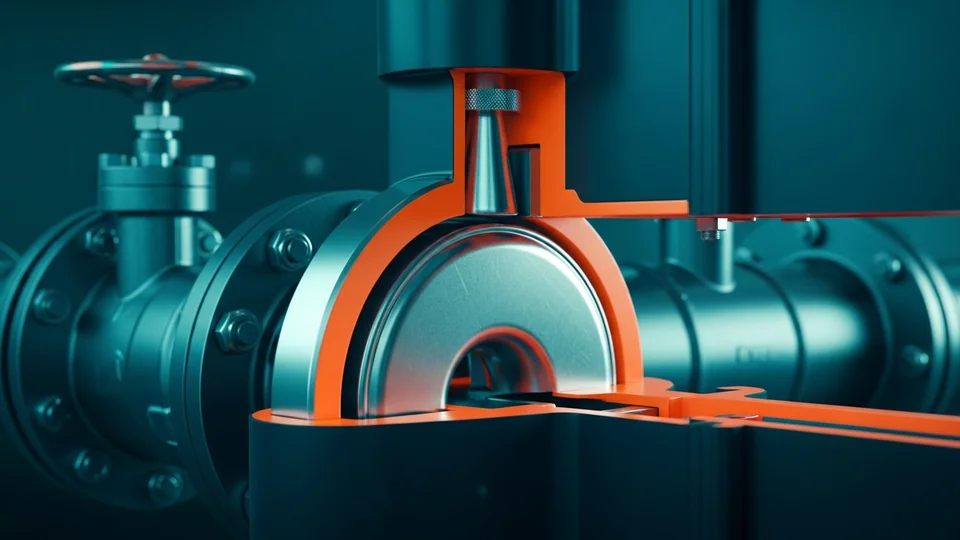
A Bourdon tube is a curved metal tube that tends to straighten slightly as internal pressure rises. The motion is transferred through a mechanical movement to the pointer. Bourdon tube gauges are widely used for general industrial pressure ranges because they are compact, readable and economical.
They are well suited to clean gases and liquids when the medium is compatible with the wetted material and does not clog the socket. Stainless steel Bourdon tubes and cases are common where corrosion or outdoor exposure is a concern. For vibration or pulsation, liquid filling, remote mounting or snubbers may be considered.
For installation details, review the pressure gauge installation best practices and pressure gauge thread connection guide.
A Bourdon tube gauge is often the default choice for water, air, oil and many utility services, but the default should still be checked. Small sockets can plug in dirty liquids. Copper-alloy wetted parts may be unsuitable for aggressive chemicals. A gauge mounted directly on a vibrating compressor or hydraulic pump can fail even if the element type and range are theoretically correct.

A diaphragm gauge uses a flexible membrane clamped at its edge. Pressure deflects the membrane, and the movement converts that deflection into pointer travel. Diaphragm designs are often considered when the pressure is low, the medium is viscous or dirty, or the process requires a flush or protected interface.
Diaphragm seals can isolate the gauge movement from corrosive, crystallizing, viscous or sanitary media. However, diaphragm material, fill fluid, temperature effect and response time must be checked. A diaphragm arrangement is not automatically suitable for every chemical or hygienic process.
For hygienic and food-processing service, compare the sanitary pressure gauge selection guide. For corrosion decisions, compare 316L stainless steel vs brass pressure gauge selection.
Diaphragm gauges and diaphragm seal assemblies are especially useful where the process should not enter a small gauge socket. Examples include pulp slurry, wastewater sludge, high-viscosity fluids, crystallizing chemicals and product-contact lines that require cleaning. The tradeoff is that a diaphragm, capillary and fill fluid can add temperature error and slower response, so the assembly should be specified as a system.
Request a Free QuoteOur engineers respond within 24 hours→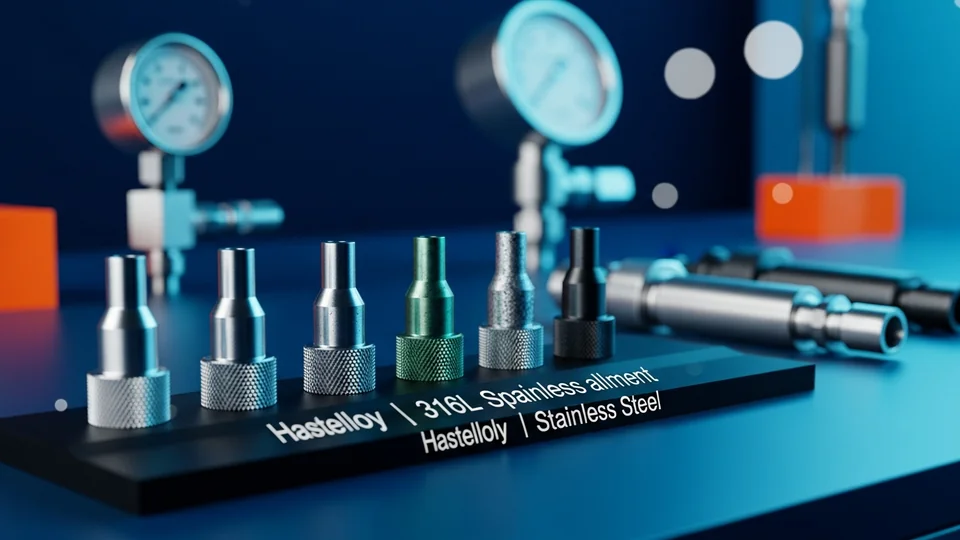
A capsule element is made from two thin diaphragms joined around the edge. It expands and contracts with small pressure changes, which makes it useful for very low gas pressure, air handling, filter monitoring and draft measurement.
Capsule gauges are usually not the right choice for liquids, dirty media or high-pressure service. The element is sensitive and can be damaged by overload, condensate or contamination. If the process may contain liquid carryover, use protection or select a different measurement method.
For filter or air-handling applications where the real task is pressure difference rather than line pressure, review the differential pressure gauge filter selection guide.

| Element type | Best fit | Main limitations | Typical selection question |
|---|---|---|---|
| Bourdon tube | General industrial pressure, clean liquids and gases | Can clog or corrode if medium is unsuitable | Is the medium clean and compatible with the wetted material? |
| Diaphragm | Low pressure, viscous media, corrosive media or flush interfaces | Fill fluid and temperature effects need review | Does the medium require isolation or a protected interface? |
| Capsule | Very low gas pressure and air/draft indication | Not for high pressure, liquid or dirty service | Is the service clean gas with low differential pressure? |
Accuracy class should match the decision the gauge supports. See the pressure gauge accuracy class guide before specifying a tighter class than the application needs.
Before selecting a pressure gauge element, confirm medium, pressure range, vacuum or compound range, maximum pressure, temperature, pulsation, vibration, required accuracy, connection thread or sanitary fitting, wetted material, mounting orientation and maintenance access.
For high-pressure, corrosive, hygienic, oxygen, hydrogen, steam or hazardous-area service, final selection must be confirmed against the site specification. A short article can guide the shortlist, but it cannot replace engineering review of the actual process conditions.
For document requirements, compare the pressure gauge calibration traceability guide.
When replacing an existing gauge, do not assume the old element type was correct. Many installed gauges were selected from stock rather than from a process review. If the failure history shows clogging, corrosion, pointer flutter or repeated zero shift, the replacement should revisit sensing element, range, material, connection and protection accessories together. For media requiring isolation, the diaphragm pressure gauge manufacturer page lists available diaphragm materials and connection options.
Download PDF: Liquid-Filled vs Dry Pressure Gauge Guide (PDF) - Compare dry and filled gauges for vibration, pulsation, readability and maintenance.
Save the related Manogauge guides for procurement and maintenance checks.
Comparison of filled and dry gauges for vibration, pulsation, reading stability and maintenance.
Low-pressure, corrosive, viscous and clogging-media RFQs after comparing gauge types.
Bourdon tube gauges work by pressure uncoiling a curved tube and suit high-pressure clean media (up to 6000 bar). Diaphragm gauges use a flexible membrane deflection and are designed for low pressures (<40 bar) with viscous, corrosive, or slurry media where dead-space clogging is a concern.
Capsule elements operate effectively from 0–1 mbar up to 600 mbar. They are purpose-built for very low-pressure dry gas measurement. Above 600 mbar, the dual-diaphragm design becomes inefficient and a standard Bourdon tube is preferred.
Yes — specify 316L stainless steel or Hastelloy C-276 Bourdon tubes for moderately to highly corrosive media. For extremely aggressive liquids (acids, chlorides), add a diaphragm seal with PTFE fill fluid to isolate the Bourdon element from direct contact.
Continuous vibration causes work hardening and fatigue cracking in the Bourdon tube material. In vibrating environments, specify a liquid-filled gauge (glycerine or silicone fill) which dampens pointer flutter, reduces internal wear, and extends service life by 3–5×.
Any gauge can be ATEX-certified — the certification applies to the enclosure, not the sensing element type. However, diaphragm gauges are often preferred in chemical ATEX zones because they eliminate the Bourdon tube socket cavity where process residue could accumulate and create ignition risk.
Diaphragm elements are practical up to approximately 60 bar (870 psi). Above this, the wall thickness required to withstand pressure reduces element sensitivity, making the Bourdon tube more accurate and cost-effective. For below 600 mbar, diaphragm or capsule gauges are preferred because Bourdon tubes lose accuracy at very low deflections.
Specify a capsule gauge for ranges below approximately 200 mbar (2 kPa). Capsule elements use stacked metallic discs and are highly sensitive at very low pressures. Typical applications include gas burner air-fuel ratio monitoring, low-resistance filter pressure drop, and HVAC air-duct pressure measurement. Above 600 mbar, a diaphragm or Bourdon tube gauge is generally more robust and economical.